From VR caves to a capture studio
I started in motion capture in 2009, and the thing that has stayed constant is that I like being the person who makes a new technology work in the real world. Before Target3D, that meant installing, training and selling motion capture and VR systems for other people.
At Animazoo, which became Synertial, I was operations manager and sales engineer for nearly four years. It was a small company, so the job covered everything: product research and development, demos and exhibitions, running projects from system design through to installation, setting up customer support, and training. The installs took me to Sao Paulo, Sofia, Prague, Alicante, Dubai and Barcelona. At the same time I was project manager for Digital Interactive Booth Systems, coordinating AV and live motion capture installations in places like Moscow, Rome, Dubai and Abu Dhabi.
Every system I sold, I also had to install, and teach someone to use.
In 2014 I moved to Melbourne as general manager and motion capture specialist for Freedspace 3D’s Tracklab, which became a small mocap stage. In early 2015 I also spent six months as a digital coordinator at Luma Pictures, keeping the departments talking to each other on Marvel trailers and features. It was a very different pace from small lab work, and it taught me how a big VFX pipeline actually fits together.
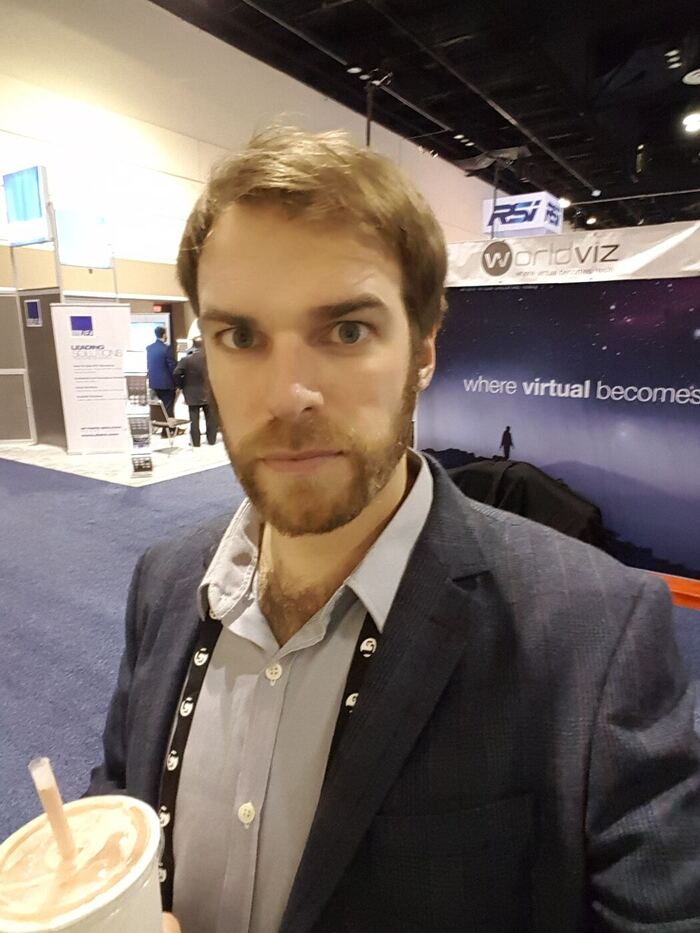
Back in the UK I joined WorldViz, first as a solutions architect and then as head of sales for EMEA. WorldViz came out of psychology and perception research, and that shaped the work. I demonstrated VR applications and the Vizard Python platform across the Middle East and Europe, and inherited my predecessor’s projects, including large 3D CAVE systems at the University of Tilburg and Leeds University, and multi-user co-presence software called Vizible, which let designers meet around 3D and CAD assets without travelling. Being able to get together without getting on a plane is still one of the best arguments for XR.
In late 2017 I started Target3D, a technology consultancy that designs and supplies 3D systems end to end, and later StudioT3D, the studio side that puts them to work. Target3D Iberia followed in 2020.
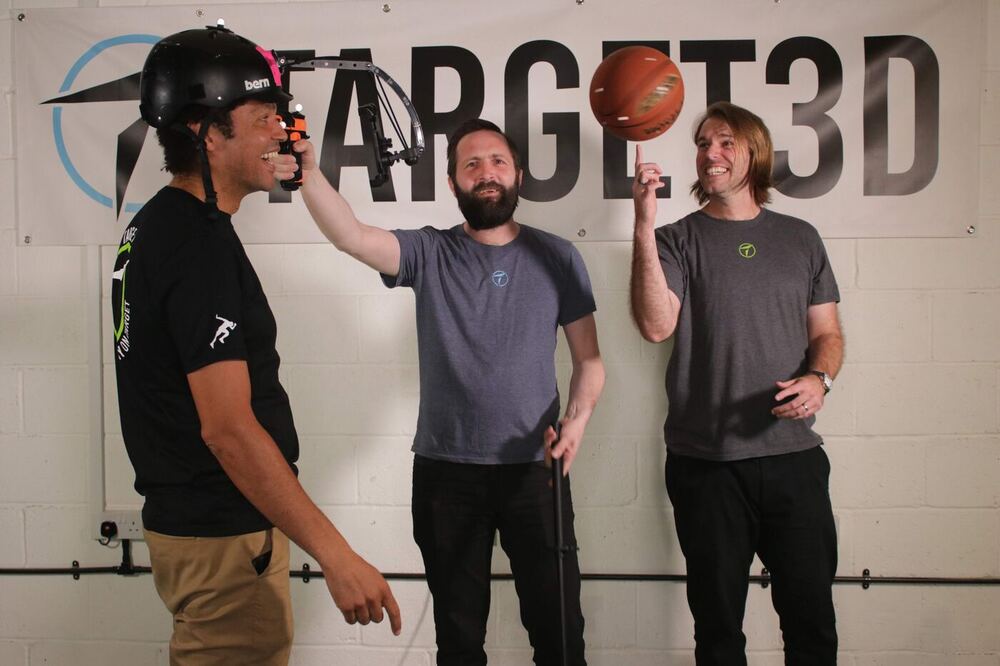
Looking back, the common thread is that I’ve always sat between the people who make the technology and the people who need to use it. That is the same job whether the client is a research lab, a film production or a company working out whether it needs any of this at all.