On scope, on budget, on deadline
When I’m head of studio on a project, my job is to translate what the director wants into something a technical team can deliver, and then to keep everyone honest about time and money. I got involved in Dune: Awakening and Norse: Oath of Blood right at the commercial stage, speccing and quoting, and stayed through to final delivery and post-production oversight. I’m proud that we hit scope, budget and deadline.
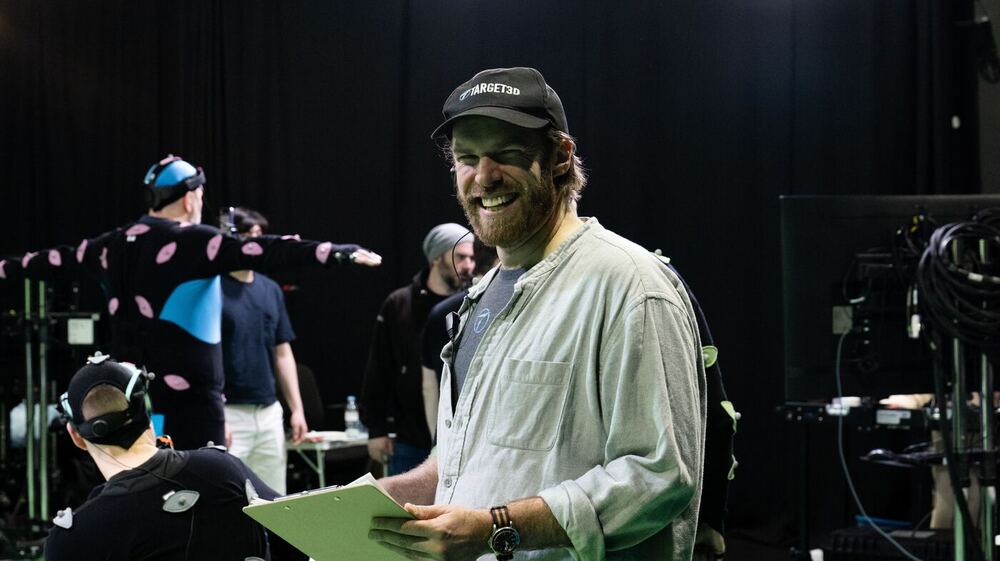
A good shoot is mostly decisions made weeks earlier.
On Dune: Awakening, with director Beth Park, the hard part was complex movement and a lot of content on a tight schedule, including stunts. Our job was making sure the creative requirements reached the technical team clearly, so the performers could concentrate on performing.
Norse was a different kind of challenge. It was a huge team, with Unreal Engine updates landing mid-project, and it needed full performance capture, including a brand-new iPhone LiveLink pipeline that we were using before it had settled down. For the Arctic Hazard cinematics, we built a hybrid of capture systems that worked with Unreal Live Link and MetaHumans and still stayed on budget.
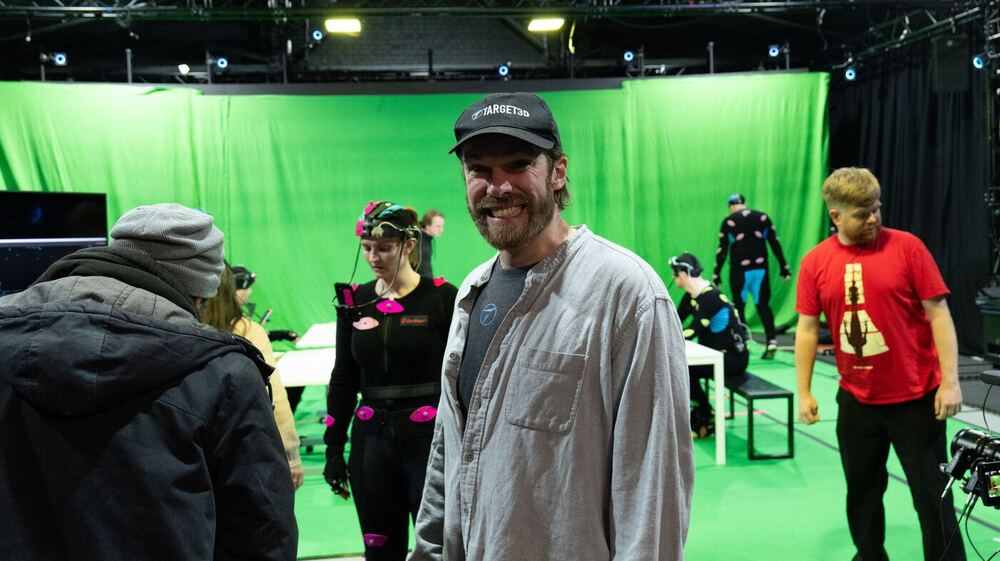
I also work as an assistant director when the production needs it. That has covered the Bring Me the Horizon video, Fallax, Sntient, Björk’s Ovule, Final Pixel, ENDLESS and The Hundred. An AD’s job is to protect the day: shot lists broken down in advance, the right performer in the right suit at the right time, and the director free to direct. It also helps that I understand the capture system well enough to know which problems are real and which can wait.
There’s a sustainability angle too. Good planning means fewer reshoots, less travel and shorter days on a stage, and virtual production gives you ways to avoid shipping people and sets around the world. Cutting waste is usually the same as being well prepared.